Buy kitchen knives at Paudin.nl
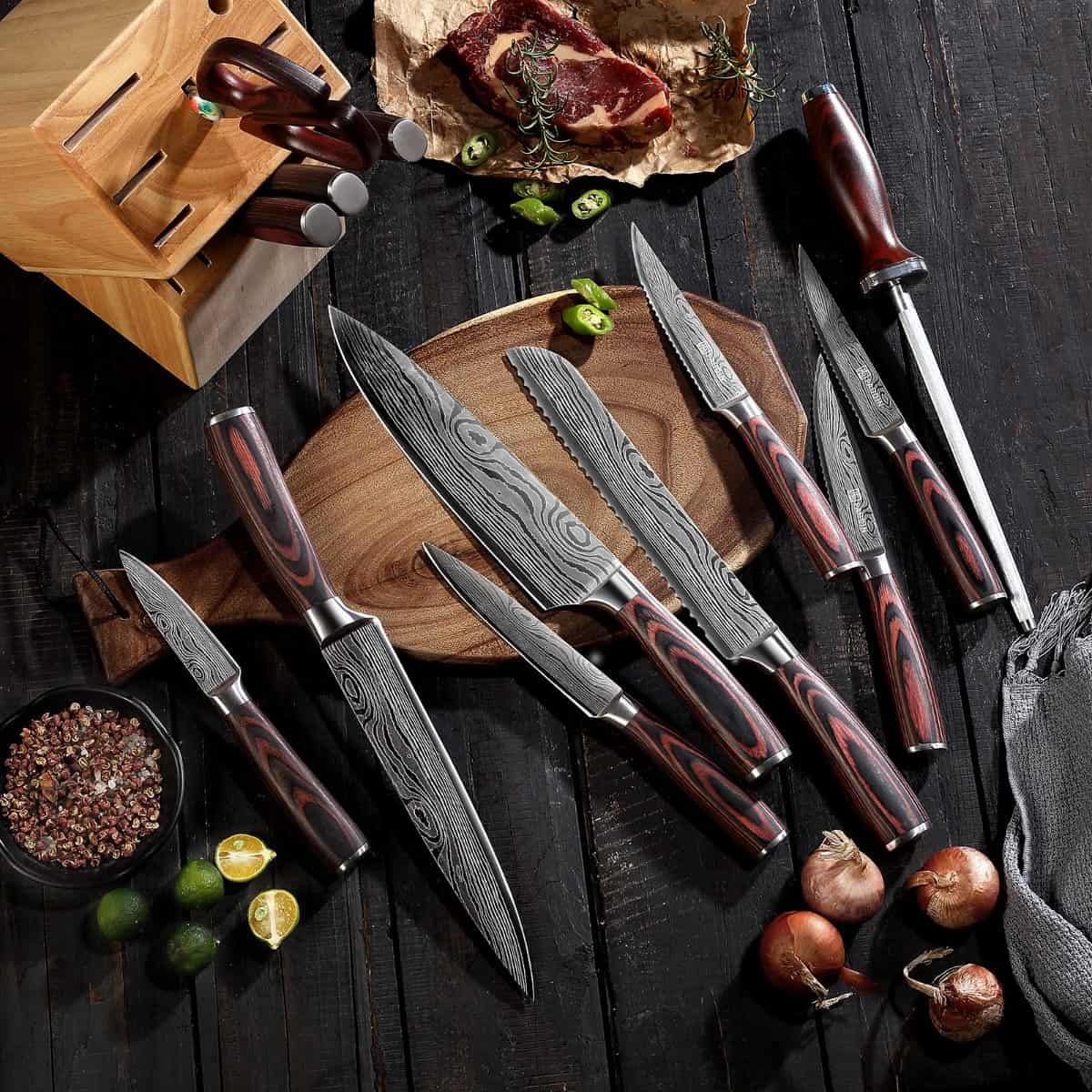
Seeking kitchen knives that really cut well and last a long time? At Paudin.nl Here you'll find a carefully curated collection of kitchen knives for every cutting task: from an all-round kitchen knife for everyday use to specialist knives such as a nakiri for vegetables or a boning knife for meat.
We want you to have no doubts. That's why we combine a strong selection with clear explanations, comprehensive specifications, and a selection guide to help you quickly find the right knife. Paudin.nl is your go-to shop for kitchen knives – whether you're looking for a single good knife or a complete set.
Best selling kitchen knives
Choosing a kitchen knife: quickly find the right match
Unsure between several options? Use this quick decision-making tool:
- One knife for (almost) everything: choose a chef's knife (usually 20 cm)
- Compact and with lots of control: choose a Santoku knife
- Especially when cutting vegetables: choose a nakiri knife
- Lots of bread and hard crusts: choose a bread knife
- At the table for steak/BBQ: choose steak knives (as a set)
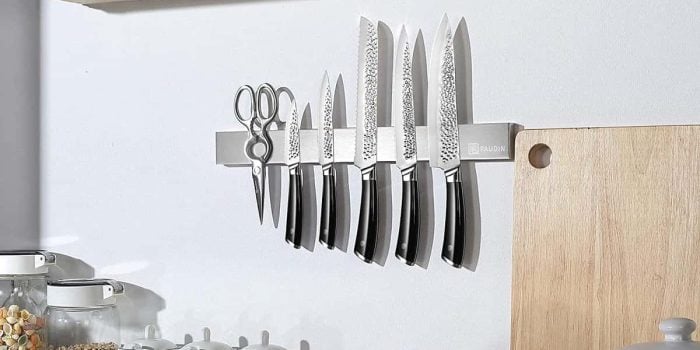
- Always handy: a paring knife and kitchen scissors
Why buy kitchen knives from Paudin.nl?
You don't buy a kitchen knife for just a quick trip, but for everyday use. That's why we focus on three things: transparency, ease of use, and reliability.
- Clear product information: you can see at a glance which knife you are buying and what it is intended for.
- Choice based on use: we help you choose based on cutting style, ingredients, and comfort.
- Service if you are unsure: if you can't figure it out, we are happy to help you with practical advice.
This way you make a choice that you will enjoy for years to come, and that is exactly what you can expect from a specialist in kitchen knives.
Our range of kitchen knives
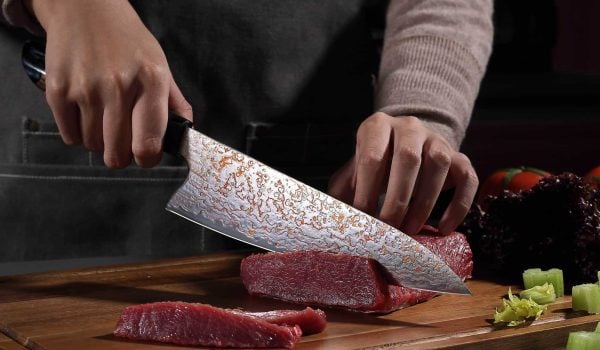
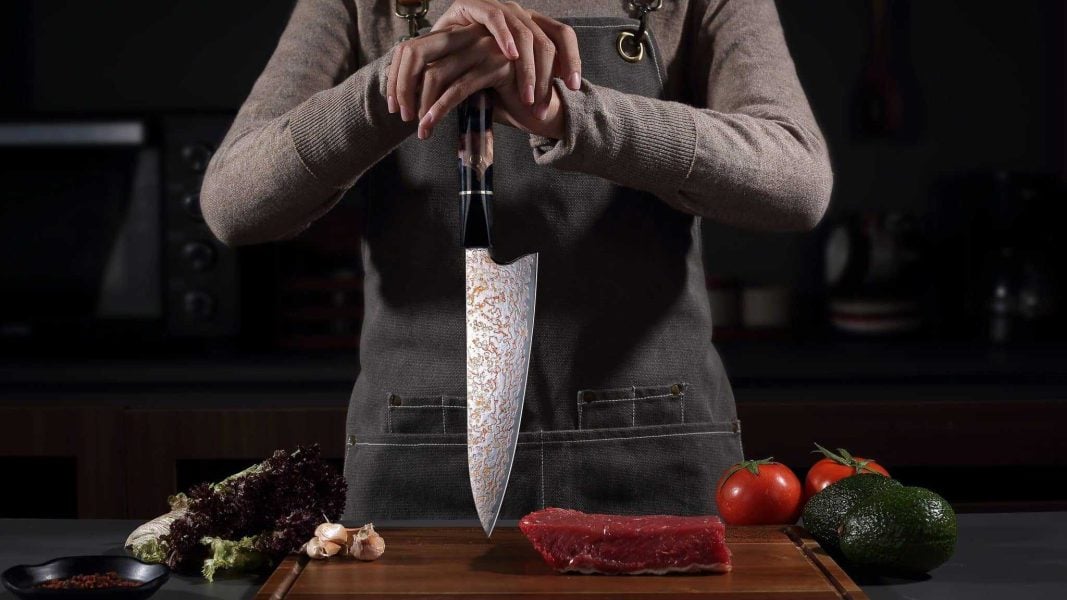
chef's knife (all-round kitchen knife)
- What for: vegetables, meat, fish, herbs; chopping and slicing.
- Why choose it: This is the best first purchase if you want one knife that can do almost anything.
- Tip: 18–20 cm is ideal for most people; 20 cm is the popular all-around length.
Santoku knife (Japanese all-rounder)
- What it's for: vegetables/fish/meat; especially useful when cutting straight down.
- Why choose: more compact, more control, great for smaller cutting boards.
- Choice tip: ideal if you sometimes find a chef's knife too "big".
Nakiri knife (vegetable knife)
- What it's for: Cutting vegetables quickly with a straight edge; clean and efficient.
- Why choose: if you cut a lot of vegetables (meal prep, salads, stir-fry).
- Choice tip: less suitable for bones or hard, rough jobs.
Bread knife (serrated)
- What for: bread, hard crust/soft inside, cake; also tomato/citrus.
- Why choose: Cartels cut through without crushing.
- Tip: Sharpening is different from sharpening smooth knives — so quality is extra important.
Paring knife
- What for: peeling, small cuts, precision work (garlic, strawberry, potato).
- Why choose: Small, safe and super controllable.
- Choice tip: perfect complement to a large knife.
Office knife (intermediate size)
- What for: fruit and vegetables, smaller pieces of meat; “mini-allround”.
- Why choose: If you want a versatile knife somewhere between a paring knife and a chef's knife.
- Choice tip: ideal for quick jobs where a large blade is too much.
Carving knife / Carving knife
- What it's for: neat slices of meat/fish; fewer tears, a better cut.
- Why choose: If you often serve roasts, roulades or large pieces.
- Selection tip: long and slender = nice long strokes.
Boning knife
- What for: remove meat from bone, tendons/membrane.
- Why choose: For those who process chicken, ribs or larger pieces of meat themselves.
- Tip: Requires a bit more technique; pays off if you do it often.
Hammes
- What for: Ultra-thin slicing of ham or large pieces of meat (carpaccio style).
- Why choose: For lovers of wafer-thin, straight slices.
- Picking tip: Long and thin; not intended for chopping.
steak knives
- What for: At the table; cutting meat without pulling or tearing.
- Why choose: more comfort and better results with steak/BBQ.
- Choosing tip: you usually buy this as a set.
Chinese axe
- What it's for: Cutting/chopping vegetables and scooping ingredients with the wide blade.
- Why choose: Lots of control, versatile in Asian cuisine.
- Choosing tip: There are variations for vegetable vs. bone — use the right type for your job.
What should you pay attention to when buying kitchen knives?
Avoid making a bad purchase with these four points:
- Length (comfort and control)
- 18 cm: agile and fast
- 20 cm: the most popular all-round length
- 22–24 cm: ideal for larger ingredients or larger hands
Cutting style (rocking or straight)
- Do you often cut with a rocking motion? Then a chef's knife usually feels best.
- If you're cutting straight down, santoku and nakiri are often perfect.
Grip and balance (the difference between “okay” and “wow”)
A good kitchen knife steers naturally. It should feel stable without you having to squeeze or push too hard.
Frequently asked questions about kitchen knives
A chef's knife of about 20cm is the best all-around choice for most people.
Choose a chef's knife if you do a lot of rocking cuts. Choose a santoku if you want a more compact knife and make straight cuts more often.
A nakiri is ideal for vegetables. A chef's knife or santoku also works well as an all-around option.
On average, every 1–3 months, depending on use. Proper maintenance in between helps maintain sharpness.
Better not. Hand washing extends the life of the blade and handle.